Narayan Ravi - Mumbai
Ayyappa
Swami Saranam Series part 15
Sabarimala trek routes, importance of Irumudi kettu & Neyyabhishekam.
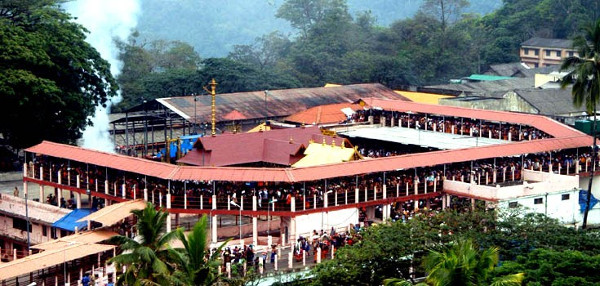
The Sabarimala shrine is located in the Periyar Tiger Reserve in Kerala. There are 3 major trek routes to reach Sannidhanam - the main shrine of Lord Ayyappa at Sabarimala: The Erumeli route, the Vandiperiyar route & the Chalakayam route. The Erumeli route is the toughest and devotees cover about 61 km overall on foot through hilly forested tracks. Pilgrims begin walking from Erumeli, & continue through Peroor Thodu, Kottapadi, Kaala Ketti, Azhutha, Kallidamkunnu, Injipaarakotta, Karimala, Valiyanavattam, Cherianavattam, Pampa, Neelimala, Appachimedu, Sabari Peetham & Sharamkuthi to Sannidhanam. Legend has it that this is the traditional route that was taken by Lord Ayyappa when He set out to kill Mahishi. This is also believed to be the route taken by Rajasekhara to reach the spot marked by Ayyappa with His arrow for the construction of the temple. The Vandiperiyar route begins at the milestone marking 94.4 kms on the Kottayam-Kumili road. Sannidhanam is about 12.8 kms from here. The Chalakayam route is the easiest and begins at Chalakayam on the banks of the Pampa river. Sannidhanam is just 8 kms from here. Vehicles are permitted only up to Pampa.
The Irumudi is an integral part of the Sabarimala yatra, without which no pilgrim is permitted to climb the 18 steps. It is a 2-compartment bag usually made of handwoven cotton cloth. The front compartment contains all items required to be offered at Sabarimala & for one's worship purposes, while the rear compartment contains articles for the pilgrim's personal use, like groceries. Nowadays both compartments are filled with pooja articles. The following items are part of the Irumudi:
1. A ghee filled coconut
2. Two additional coconuts - one to be broken near the 18 steps to announce one's arrival & one to be broken prior to leaving the temple, thanking the Lord.
3. Rice (to be contributed for Anna Danam - food served to pilgrims daily as prasadam)
4. Vibhuti (sacred ash)5. Sandalwood powder
5. Sandalwood powder
6. Kumkum
7. Turmeric powder
8. Camphor
9. Incense sticks
10. Rose water
11. Dry grapes (optional)
12. A small bottle of honey(optional)
13. Pepper (for Vavar)
14. Betel leaves (paan) & arecanut (supari)
15. Coins/any monetary offering to be made at Sabarimala
16. Avil/poha (beaten rice)
17. Malar (puffed rice)
18. Sugar candy
19. Jaggery
The pilgrims & their family members take rice in their hands, cupping them together and pour it into the first compartment 3 times, along with any monetary offerings they may want to make. The betel leaves, arecanut & ghee filled coconuts are placed on top of the rice. Other articles such as sandal, vibhuti, jaggery, rose water, incense sticks and camphor are packed separately and kept in this compartment. Turmeric, kumkum, avil, malar for Malikapurathamma are packed separately & kept in the rear compartment, & so are the black pepper for Vavar, & the remaining 2 coconuts. The bag is then tied up and reverentially placed on a rug, & never on the ground since it is now considered a representation of the deity. During the yatra it is balanced on the head & worshipped twice a day.
The coconut to be filled with ghee is cleaned & polished, one of the 3 eyes is opened, the coconut water is drained out (symbolising renunciation of wordly pleasures) & the coconut is left to dry. Molten ghee (symbolizing the pure soul) is thn filled, and the opening is closed with a tight cork & the coconut is sealed. This whole ceremony is called 'Kettunira' or 'filling the Irumudikettu' & is performed under the guidance of a Guru Swami or leader who has climbed the 18 steps atleast 18 times. The ghee in the coconut is used for bathing the Lord at Sabarimala - the ghee poured over the Lord symbolises the union of the soul with the Lord & the coconut is thrown into the huge sacrificial fire burning constantly, signifying the impermanence of the human body.
May Sabari Nayaka - the ruler of the Sabari Hills, bless one and all.
Swamiye Saranam Ayyappa
|